 Chill-Dogs
How to Keep a Dog Cool in a Car
The back seat gets hotter than you think — even with the AC running. These products help keep your dog comfortable on any drive.
Why the back seat gets so hot
Most car AC systems are designed around the front cabin. Vents point forward; cool air pools near the dashboard and front seats first. By the time conditioned air reaches the back, it has warmed considerably — creating a temperature gradient that can leave your dog's area 10–15°F hotter than where you're sitting.
Sun angle compounds the problem. Rear side windows face directly into afternoon sun on most routes, and glass doesn't block infrared heat. Dark upholstery and vinyl seats absorb and radiate additional warmth. According to AKC, on a mild 60°F day, temperatures inside a car can reach 100°F within minutes. The physics of heat buildup work against your dog before you've even merged onto the highway.
Dogs can't sweat like humans do. They regulate temperature primarily by panting — cycling air through their respiratory tract to evaporate moisture. In humid air or a poorly ventilated back seat, that process slows down. A dog that looks calm may already be working hard to stay cool.
Products that help keep your dog cool
The most effective car cooling setups do three things: block incoming sun before it becomes heat, keep air moving in the back seat, and allow your dog to stay hydrated. These products help to keep your dog cool and comfortable.

Enovoe Magnetic Car Window Shades (4-Pack)
Best for: Blocking direct sun from back-seat windows on hot road trips
- Magnetic edges stick directly to the car door frame — no clips, no suction cups
- Blocks UV rays and cuts cabin temperature significantly on sunny drives
- Folds flat for storage; quick to attach and remove at rest stops
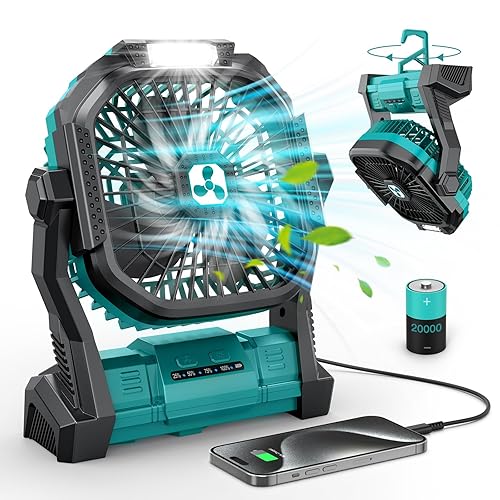
ONLYNEW Portable Rechargeable Fan
Best for: Road trips and camping where a reliable power source isn't guaranteed
- 20000mAh rechargeable battery runs 10–30 hours on a single charge — no car USB port needed
- 4 speed settings with a quiet brushless motor (≤30dB); USB-C charges in 3–5 hours
- Foldable hook hangs from a headrest, cargo bar, or tent; 270° rotating air outlet

OHMO Spill Proof Collapsible Dog Water Bowl
Best for: In-car hydration that stays in the bowl instead of on the seat
- Spill-proof design keeps water in the bowl during bumpy car rides
- Collapses flat for easy storage in a door panel, console, or travel bag
- Dishwasher-safe and holds 24 oz — practical for medium and large dogs
When to add a vest or bandana
Window shades and a fan handle the ambient temperature problem. But on longer drives or in stop-and-go traffic where AC cycling is less consistent, wearable cooling gear adds a layer of direct relief.
A cooling bandana is the lightest option — soak it in water, wring it out, and tie it around your dog's neck before getting in the car. The evaporation cools the carotid artery area, which helps regulate overall body temperature. Good for drives under an hour in moderate heat.
A cooling vest covers more surface area and lasts longer. Evaporative vests (soak, wring, wear) work well in drier climates; in high humidity, they're less effective since evaporation is slower. If your dog will be walking at rest stops or waiting outside in the sun, consider packing a cooling vest for your dog.
At-risk dogs — brachycephalic breeds (Bulldogs, Pugs, Boxers, Boston Terriers), overweight dogs, and senior dogs — benefit most from wearable cooling products, since their natural temperature regulation is less efficient. For these dogs, layering wearable gear on top of good airflow is a practical precaution.
Planning longer drives
Longer drives require lots of water. Dogs lose moisture through panting; in a warm back seat, that loss adds up quickly. Plan water stops every 1–2 hours, offer cool (not ice-cold) water, and carry more than you think you'll need. A collapsible, spill-proof bowl keeps the back seat dry and makes rest-stop hydration practical.
Scheduling matters too. If you can choose your drive window, early morning or late evening routes avoid direct sunlight and the hottest temperatures. The back seat will stay meaningfully cooler. Midday summer driving on east-west routes (where sun hits the rear windows directly) is the hardest scenario for back-seat cooling.
For multi-day road trips, the full gear setup — shades, fan, mat, vest, collapsible bowl — is worth the bag space. The Road Trip Chill Kit Guide covers the complete checklist, including calming gear for dogs that get anxious on long drives. Leather seats can absorb and radiate heat. A car seat cover or hammock can provide a cooler surface for your dog to lie on.

4Knines Dog Seat Cover Hammock
Best for: Keeping dogs stable, cool, and off hot leather seats
- Hammock style prevents your dog from tumbling into the footwell on long drives
- Waterproof quilted surface stays cooler than bare upholstery or vinyl seats
- Anchors to headrests front and back — no tools needed
Signs your dog is overheating in the car
AAHA and AKC both document the progression of heat stress in dogs. Normal body temperature for a dog is 100–102.5°F. Above 104°F is considered heatstroke territory, and dogs can reach that threshold faster than you might expect. Watch for:
- Heavy, rapid panting that doesn't slow down when the dog is at rest
- Thick, ropey drool (AAHA notes this as an early warning sign of heatstroke)
- Bright red gums or a very red tongue
- Lethargy, incoordination, or confusion — difficulty standing or tracking movement
- Vomiting or diarrhea
- Grayish or purple mouth — according to AKC, this is an emergency signal
If you see any of these signs, pull over immediately. Get your dog out of the car and into shade. Apply tepid (not cold or icy) water to the paws, neck, and belly. AKC and AAHA both note that ice-cold water can constrict surface blood vessels and actually slow heat dissipation. Do not wrap in wet towels. Fan the dog with whatever is available and get to a vet as soon as possible, even if the dog seems to improve. Internal organ stress from overheating can develop after symptoms appear to resolve.
Frequently Asked Questions
- Is it safe to drive with my dog in the back seat with the AC on?
- It can be, but AC vents typically point toward the front of the car. The back seat stays significantly warmer — often 10–15°F hotter — even when the cabin feels comfortable up front. Adding a clip-on fan or window shades helps close that gap.
- What temperature is too hot for a dog in a car?
- According to AKC, a car parked on a mild 60°F day can reach 100°F inside within minutes. For moving cars, the back seat can run well above ambient air temperature. If your dog is panting heavily and not settling, the temperature is likely too high.
- Can I leave my dog in the car with the AC running?
- Leaving any dog unattended in a running car carries risk — engines can stall, and AC can fail. For short stops, cracking windows and parking in shade is safer than relying on a running engine. Never leave a dog in a parked car on a hot day, even briefly.
- How do I cool down a dog who is overheating in the car?
- Pull over immediately and get your dog out of the car and into shade. Offer cool (not ice cold) water to drink and apply tepid water to the paws, neck, and belly. Do not wrap in wet towels — AAHA notes this traps heat. Fan the dog and contact a vet as soon as possible.
- Are some dogs at higher risk of overheating in the car?
- Yes. Brachycephalic breeds (Bulldogs, Pugs, Boston Terriers, Boxers) have restricted airways and overheat faster. Overweight dogs, senior dogs, puppies, and dark or double-coated dogs are also at elevated risk. These dogs need extra airflow and shorter drive windows. Consider using a cooling vest or bandana.